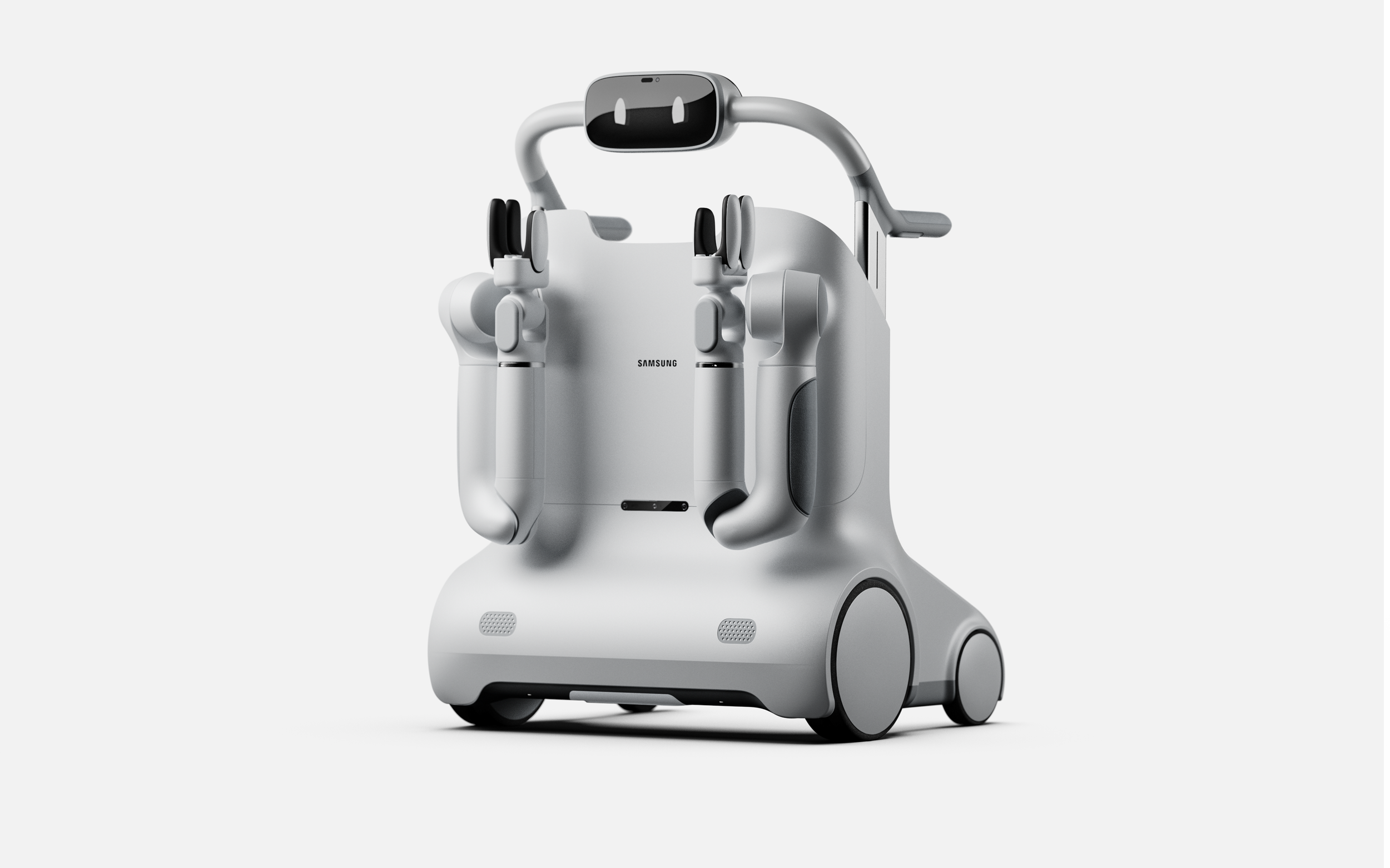
SAM | Robotic Mobility Aid for Samsung
OVERVIEW
Mobility independence is about more than just walking, yet nearly all mobility aids focus solely on that. SAM introduces a new form of physical AI, redefining robotics as an empowering tool that enables users to take greater control of their daily lives at home.
Individual - ArtCenter College of Design
16 Weeks (2026)
Solidworks, Keyshot, Procreate, Vizcom
User-research, CAD, Physical Prototyping, Rendering
ROLE
LENGTH
TOOLS
SKILLS
PROBLEM STATEMENT
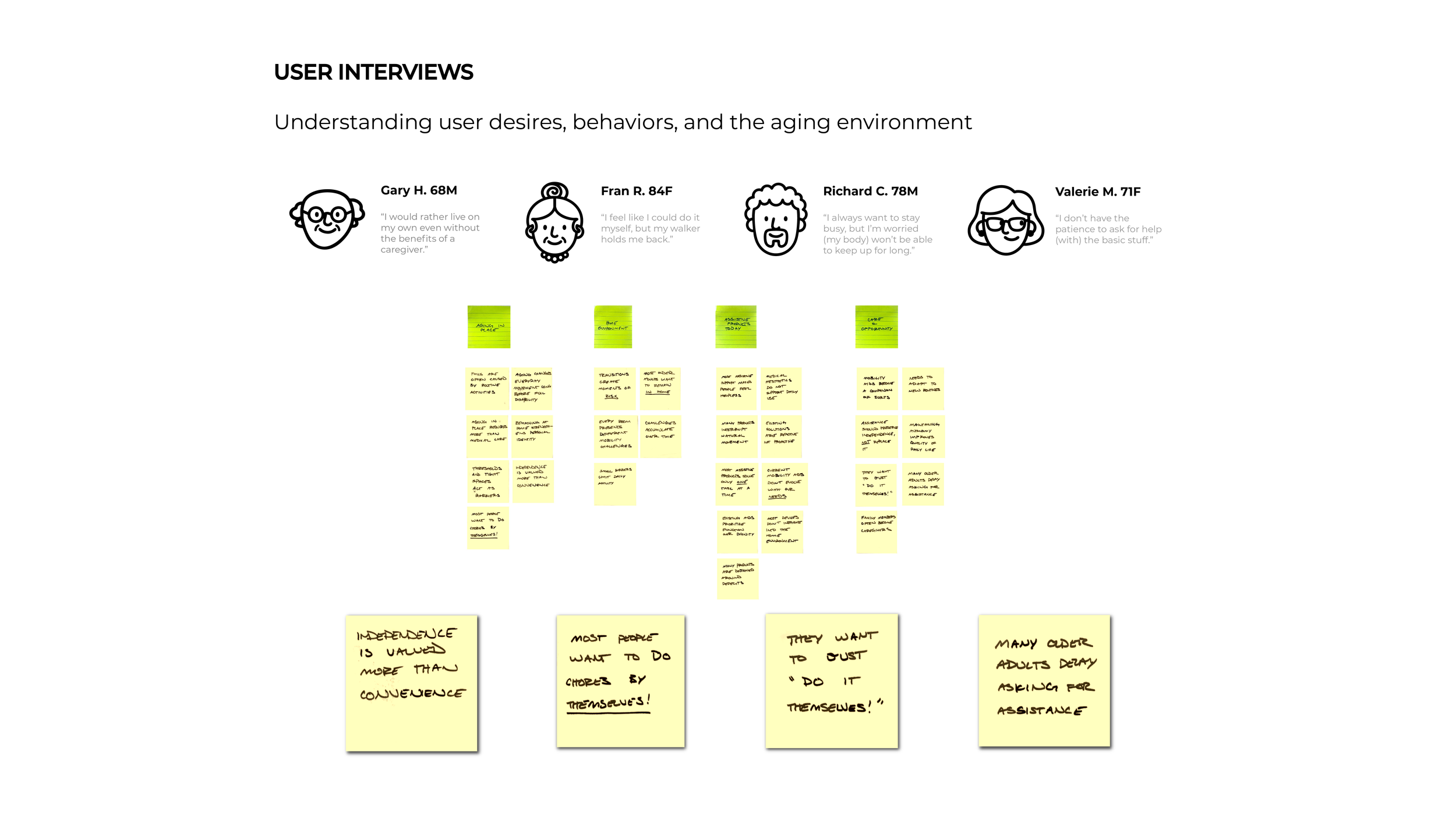
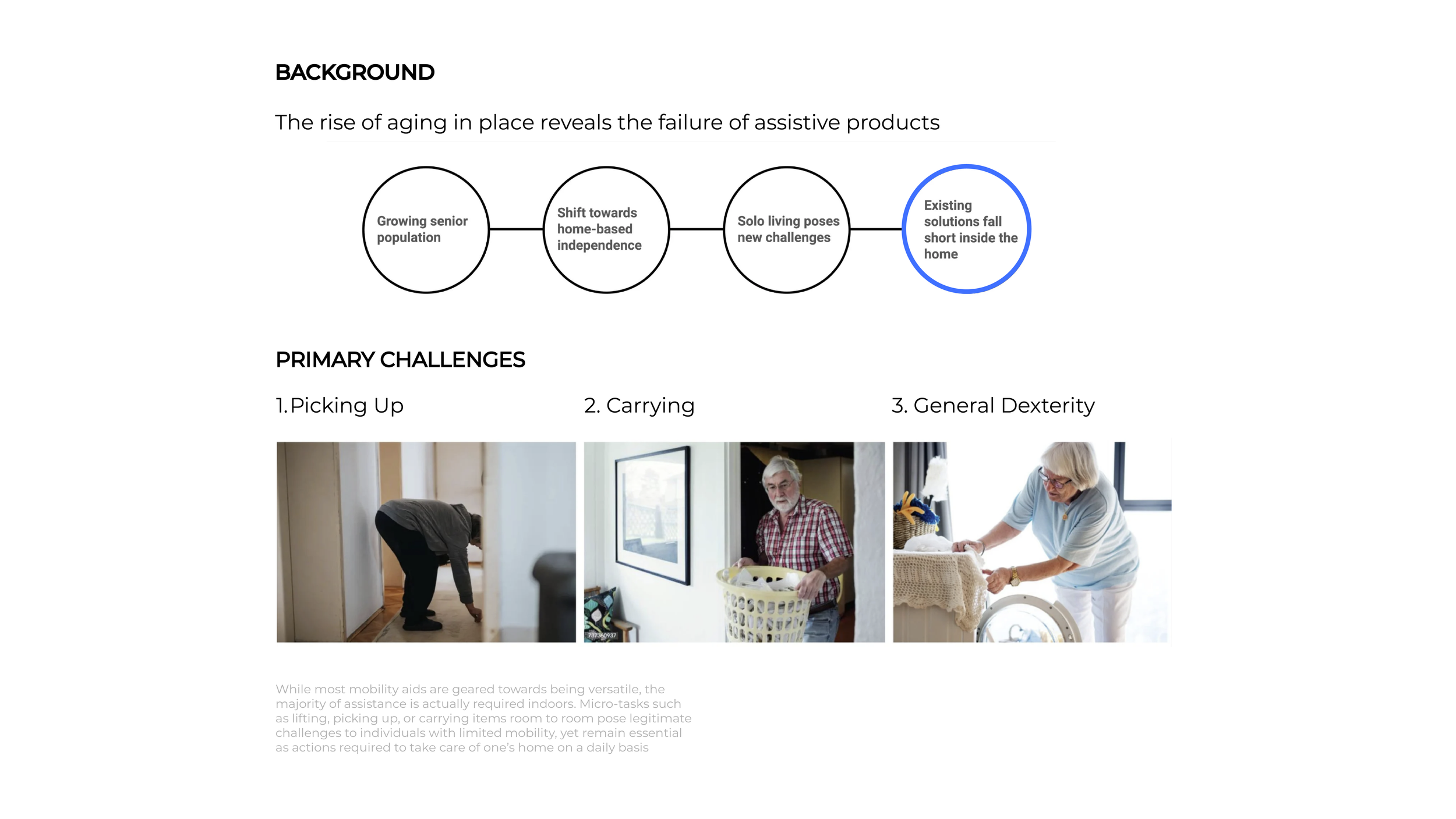
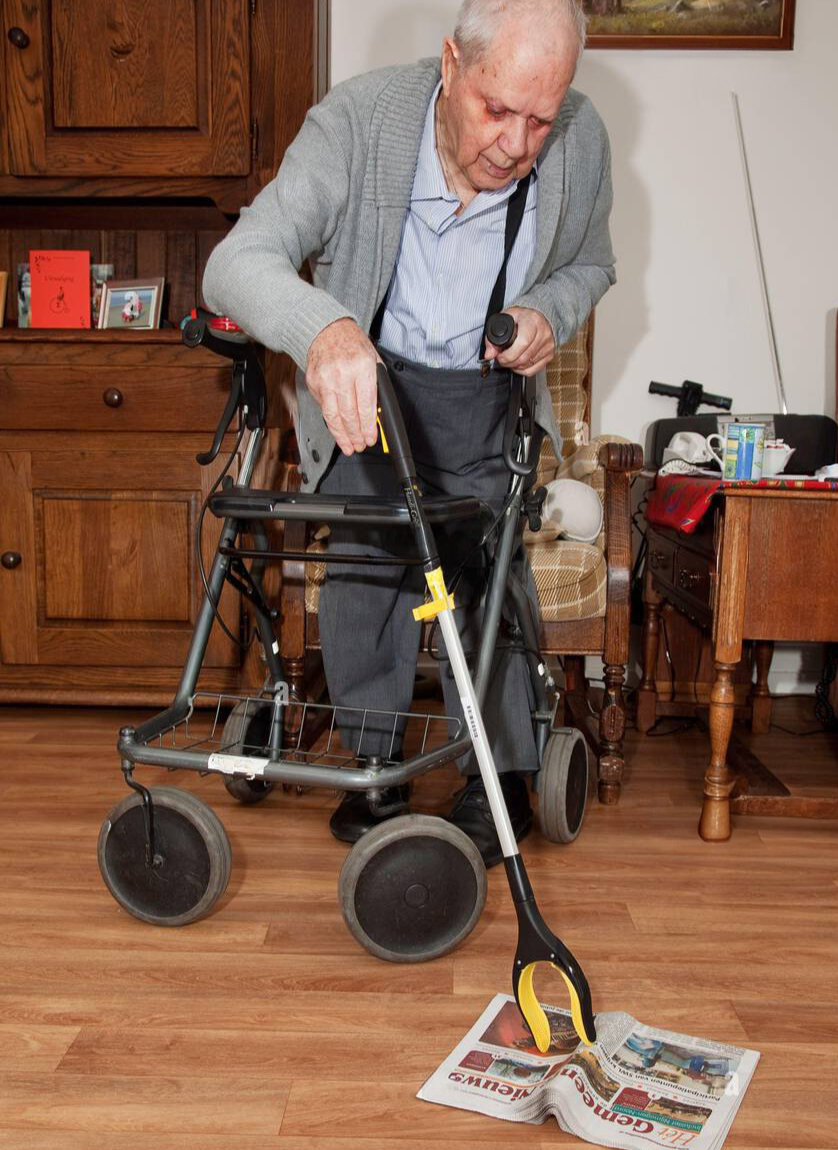
Existing mobility aids fail to address all aspects of indoor mobility.
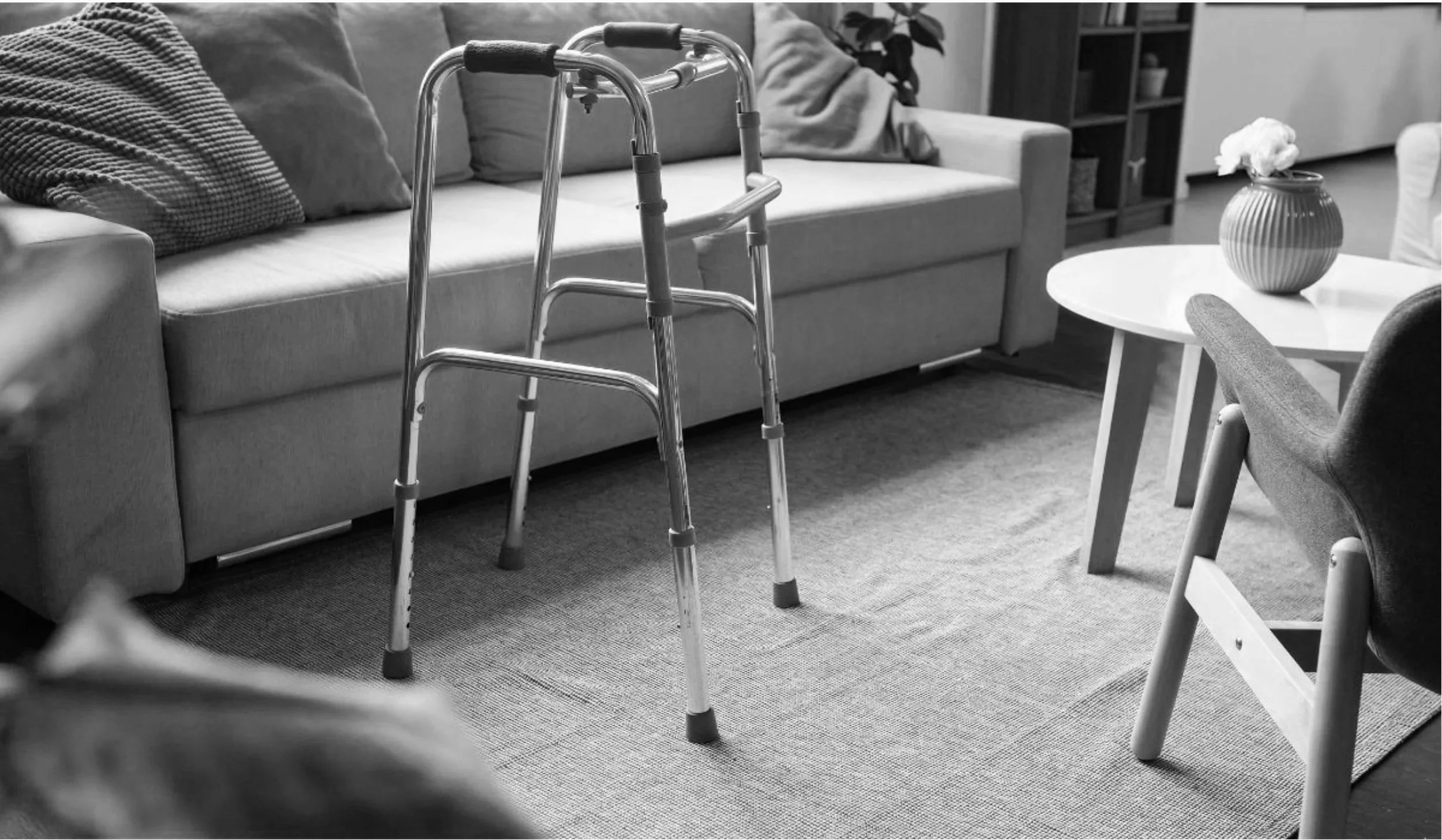
Independence is more than walking.
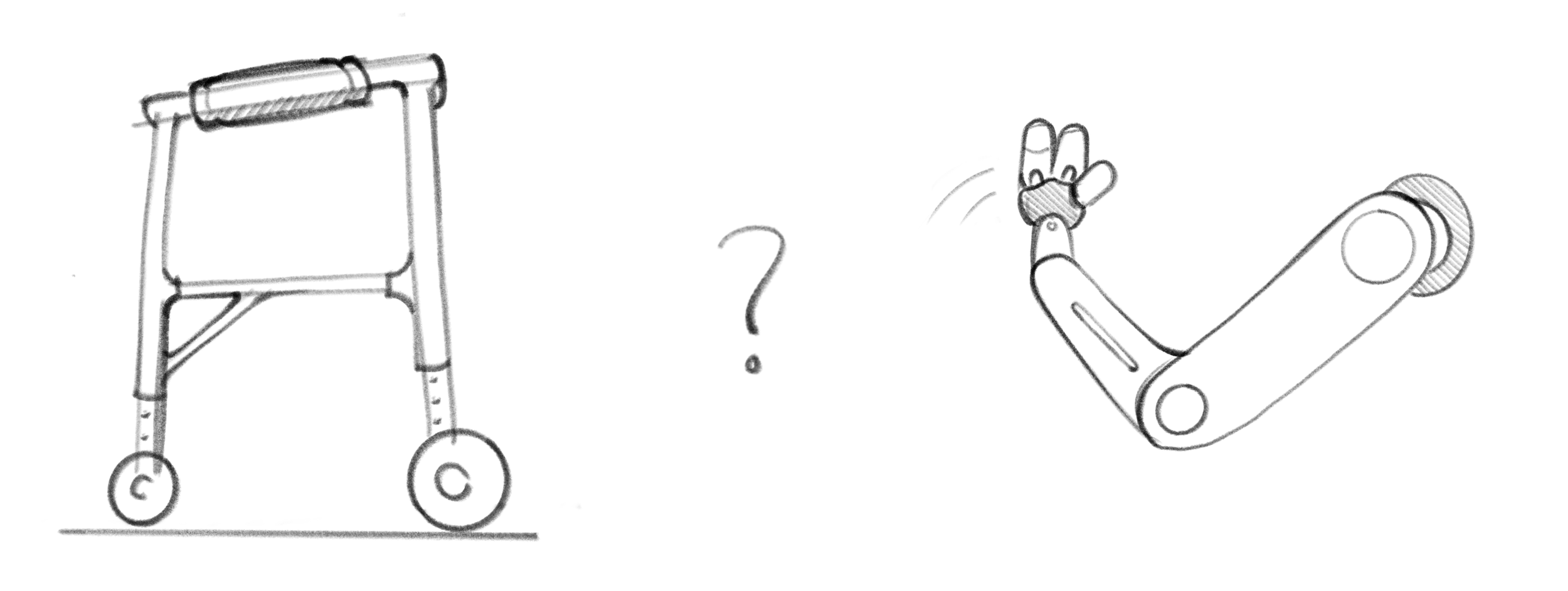
Process
01
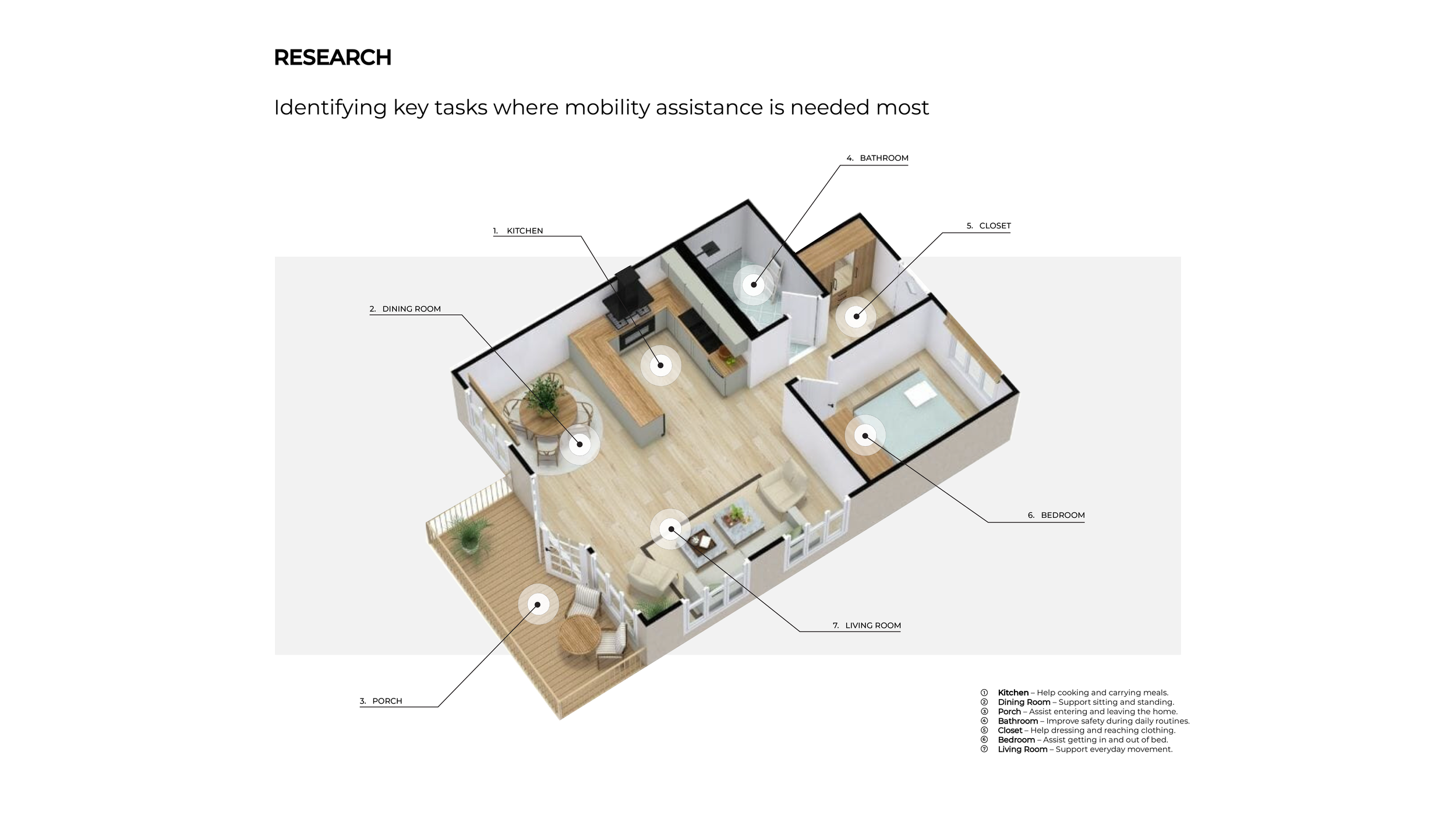
IDEATION
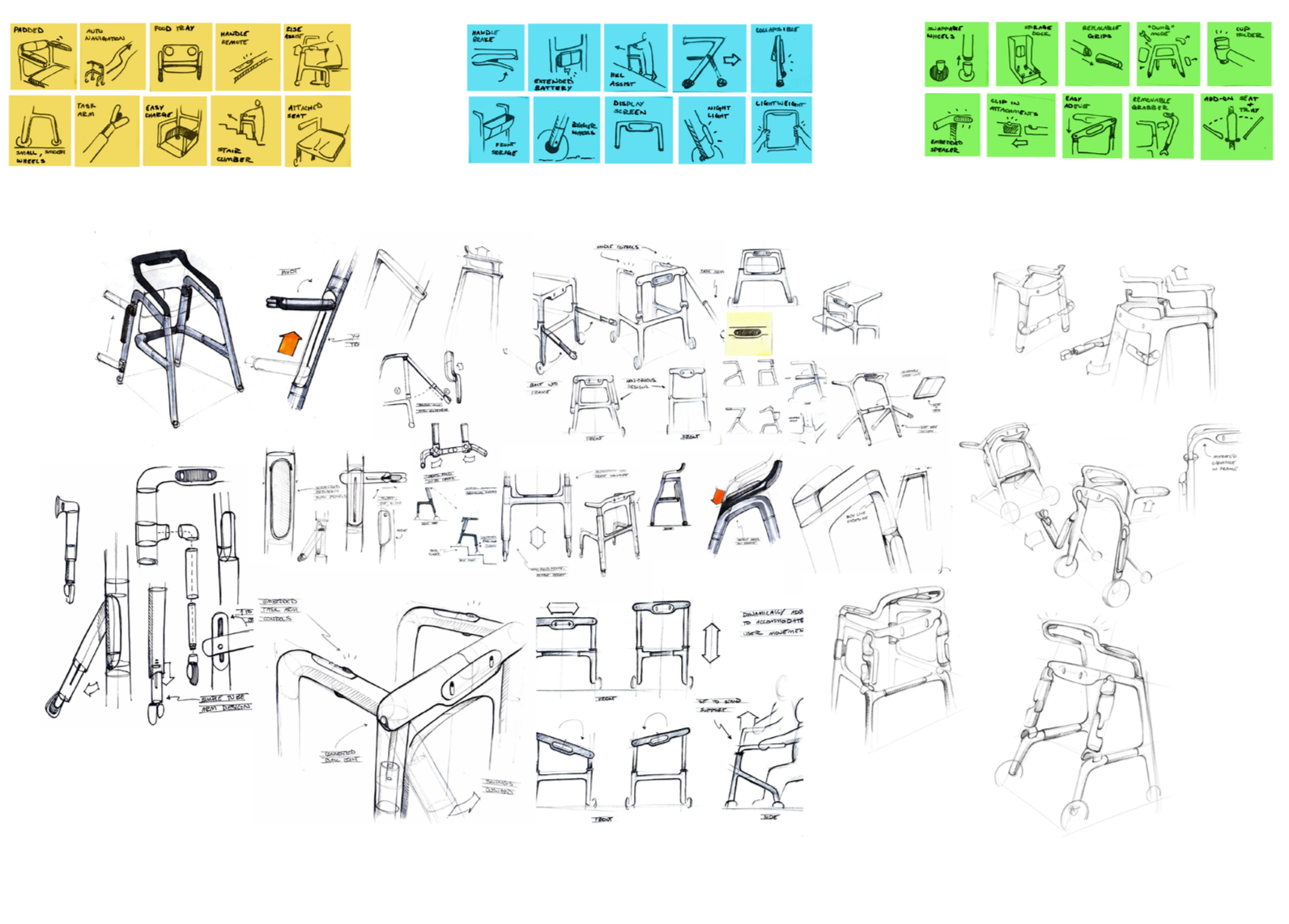
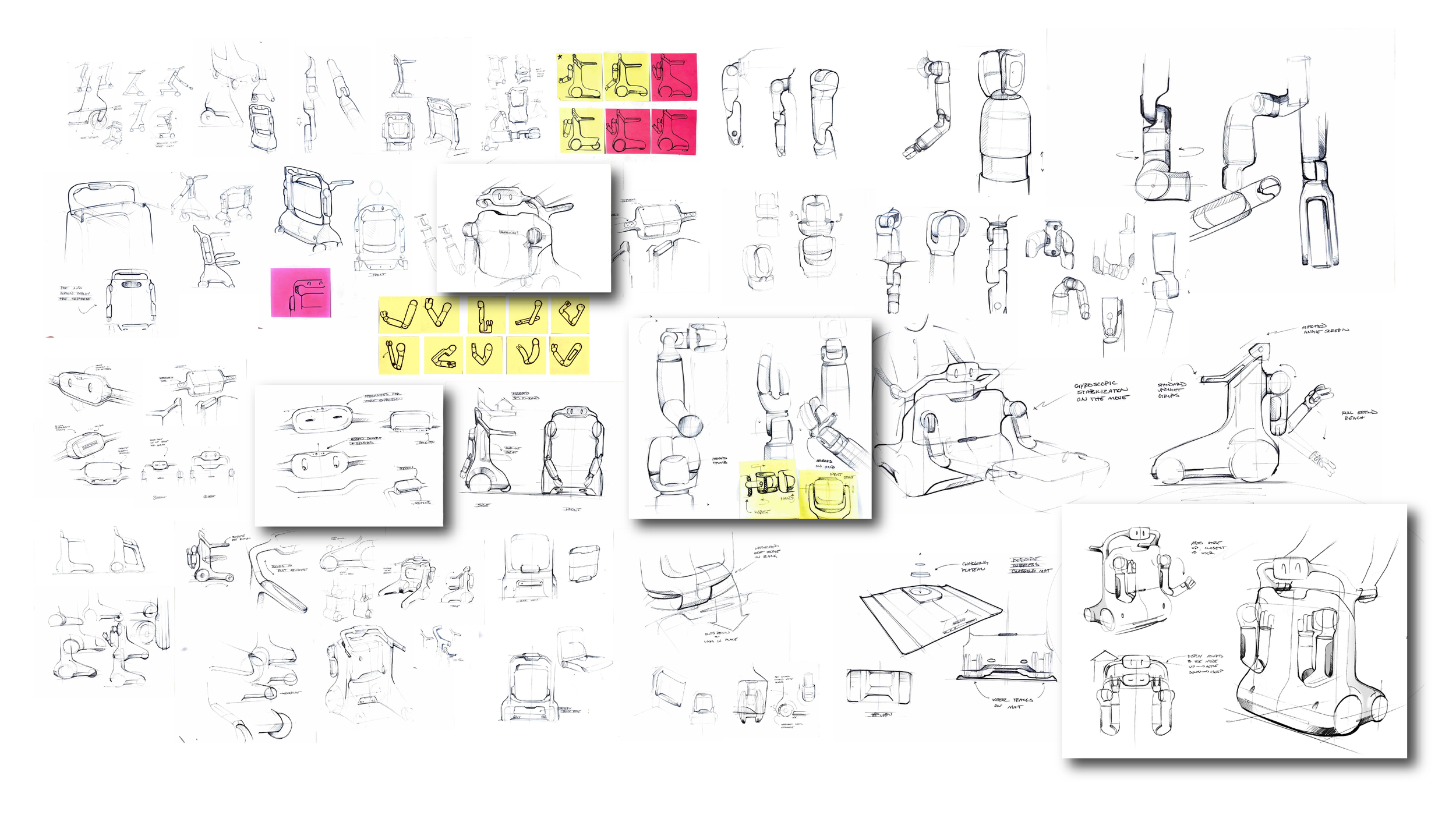
Rapid concept exploration to select core features and system architecture
FORM DEVELOPMENT
Designing a form that feels approachable, supportive, and integrated
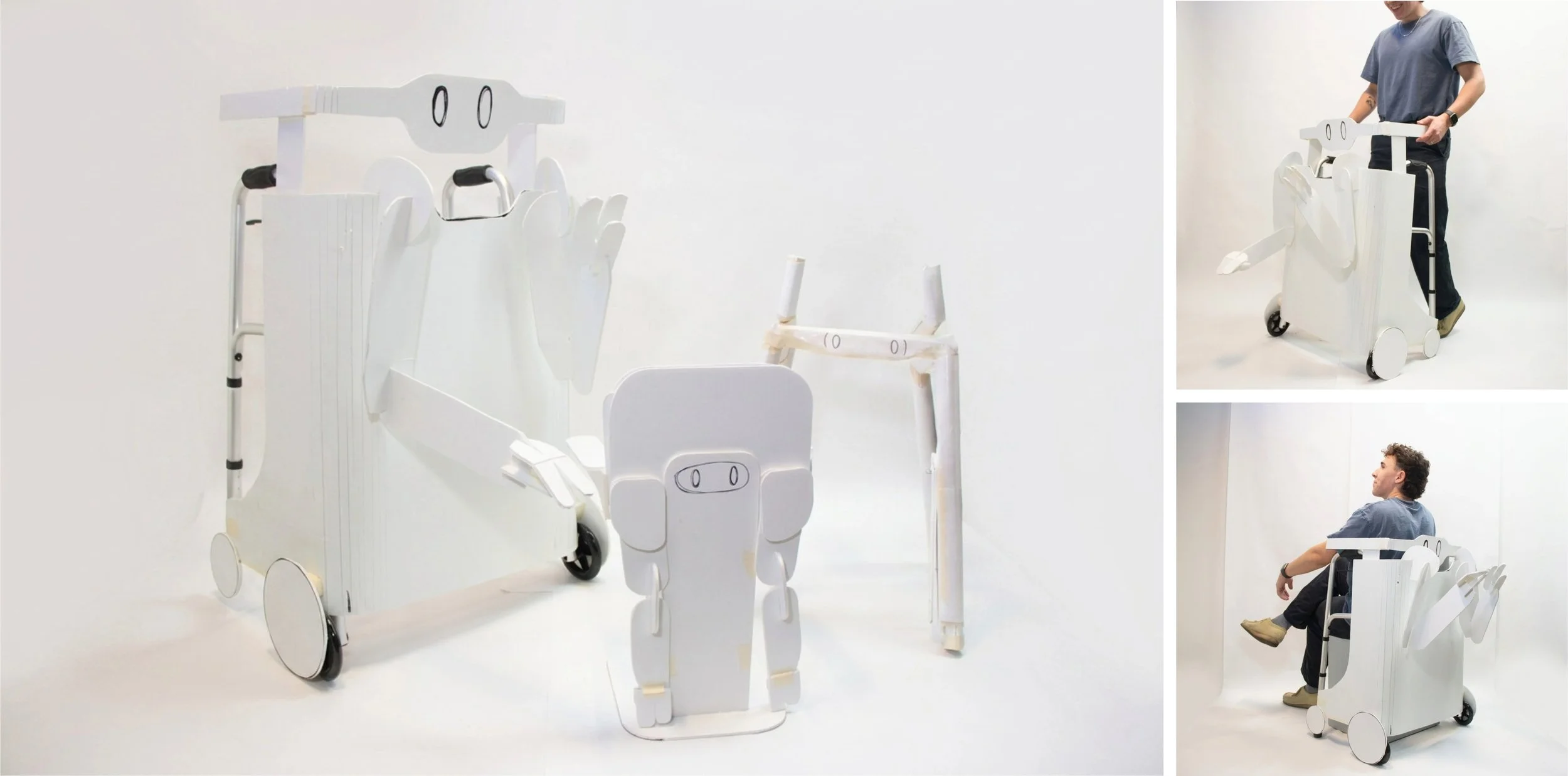
RAPID PROTOTYPING
Defining proportions and essential dimensions in models of various sizes
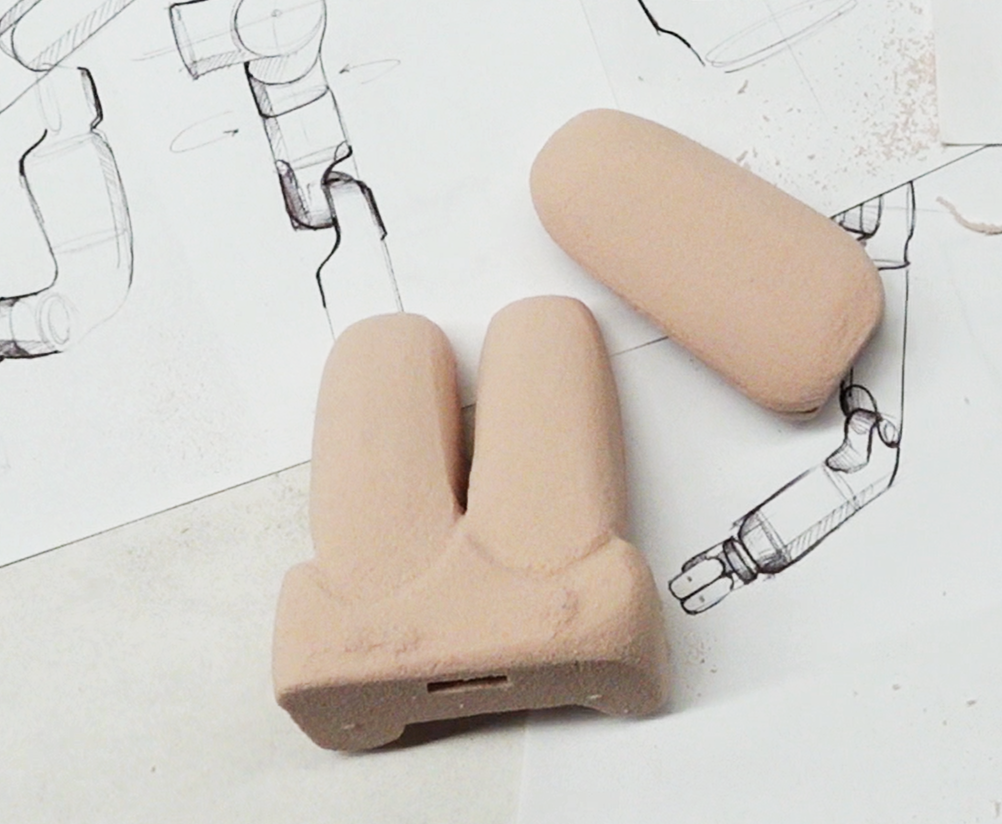
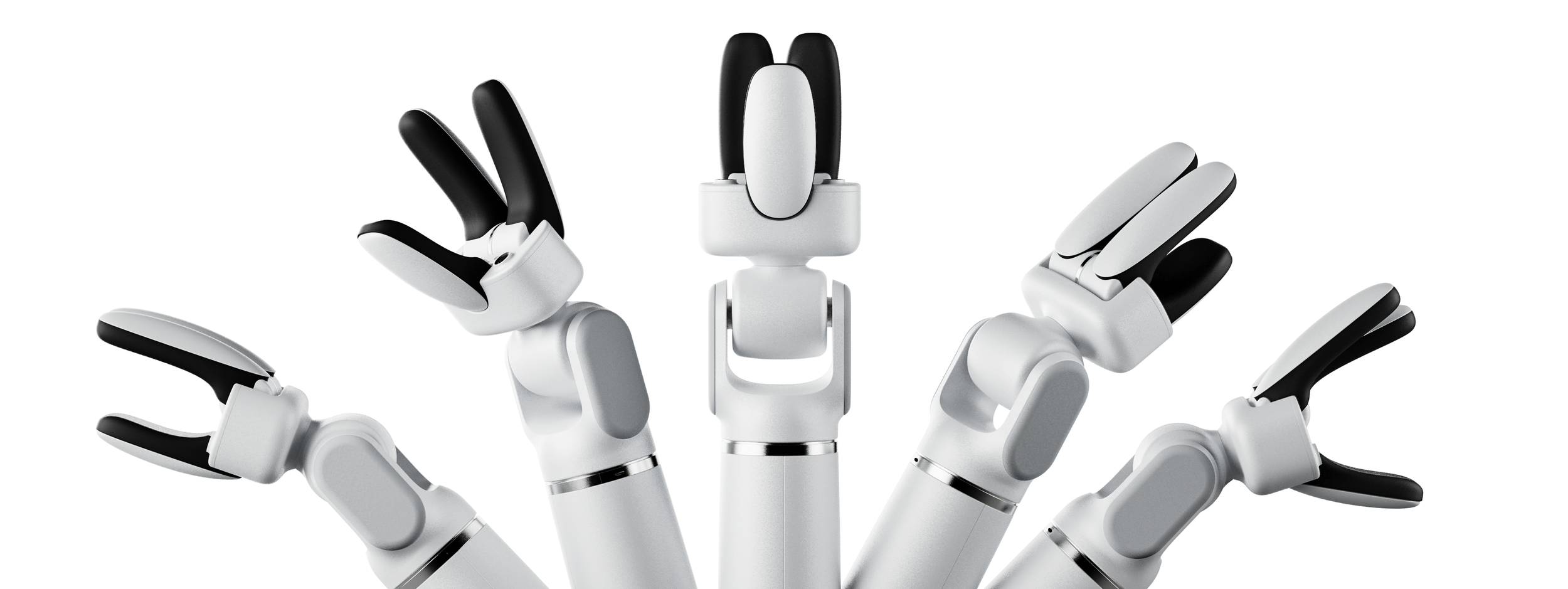
While the overall form focused on creating a soft and approachable aesthetic, the hand required a careful balance between function and appearance. It was designed to perform basic tasks and movements while keeping the engineering minimal.

Final Design
02
Meet SAM
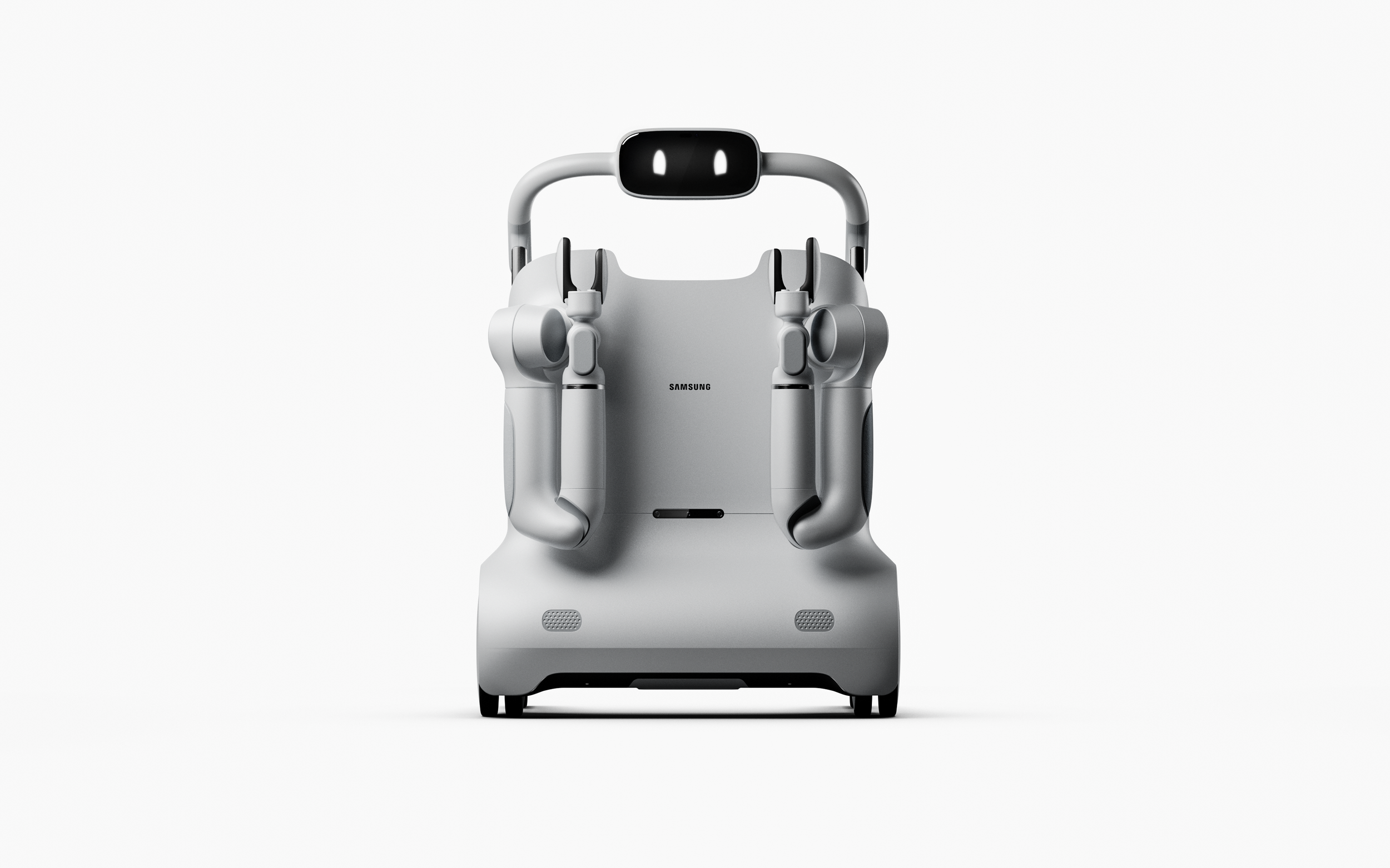
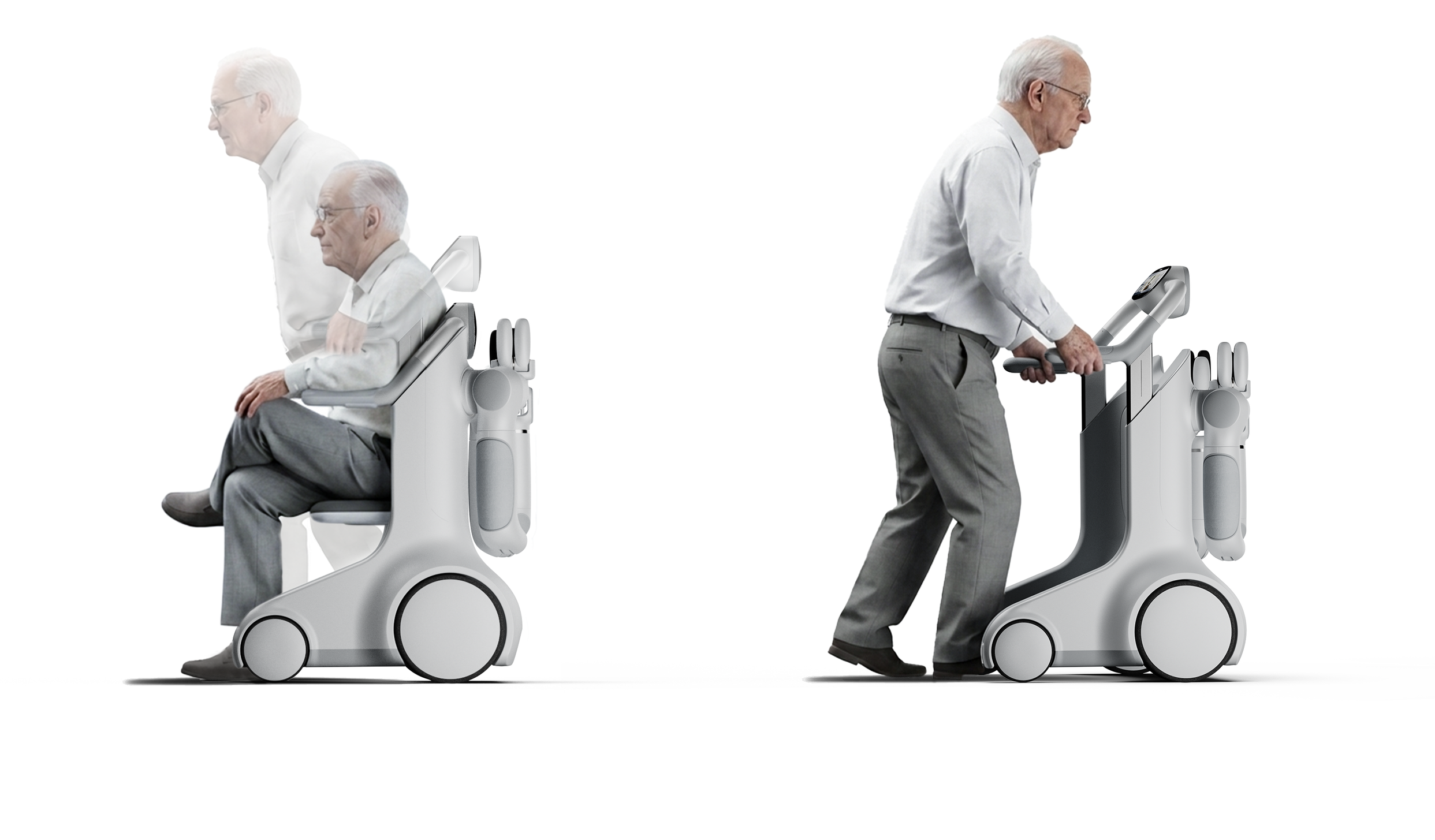
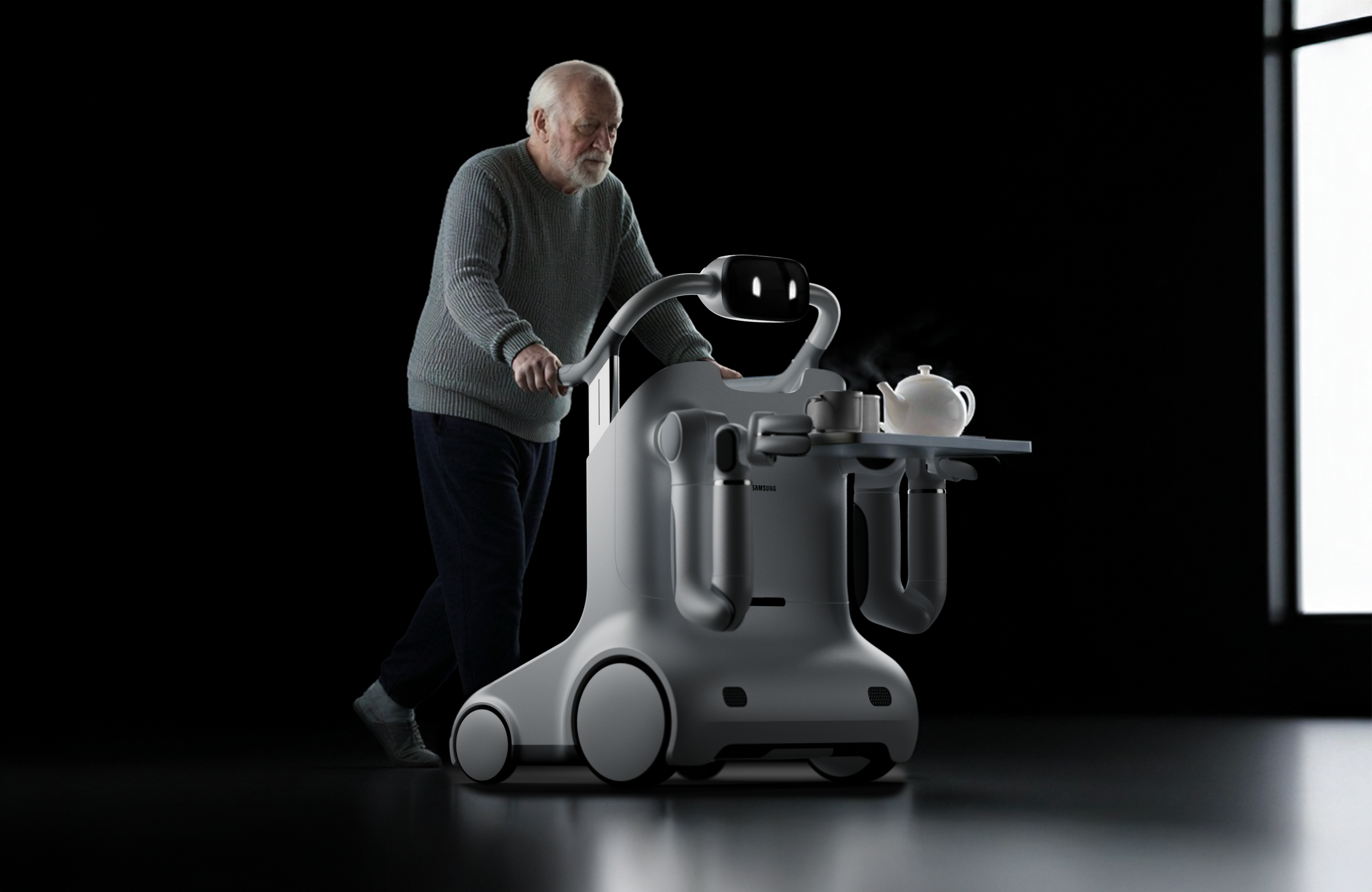
The ultimate at-home mobility companion built to support aging in place.
Assistive Robotics
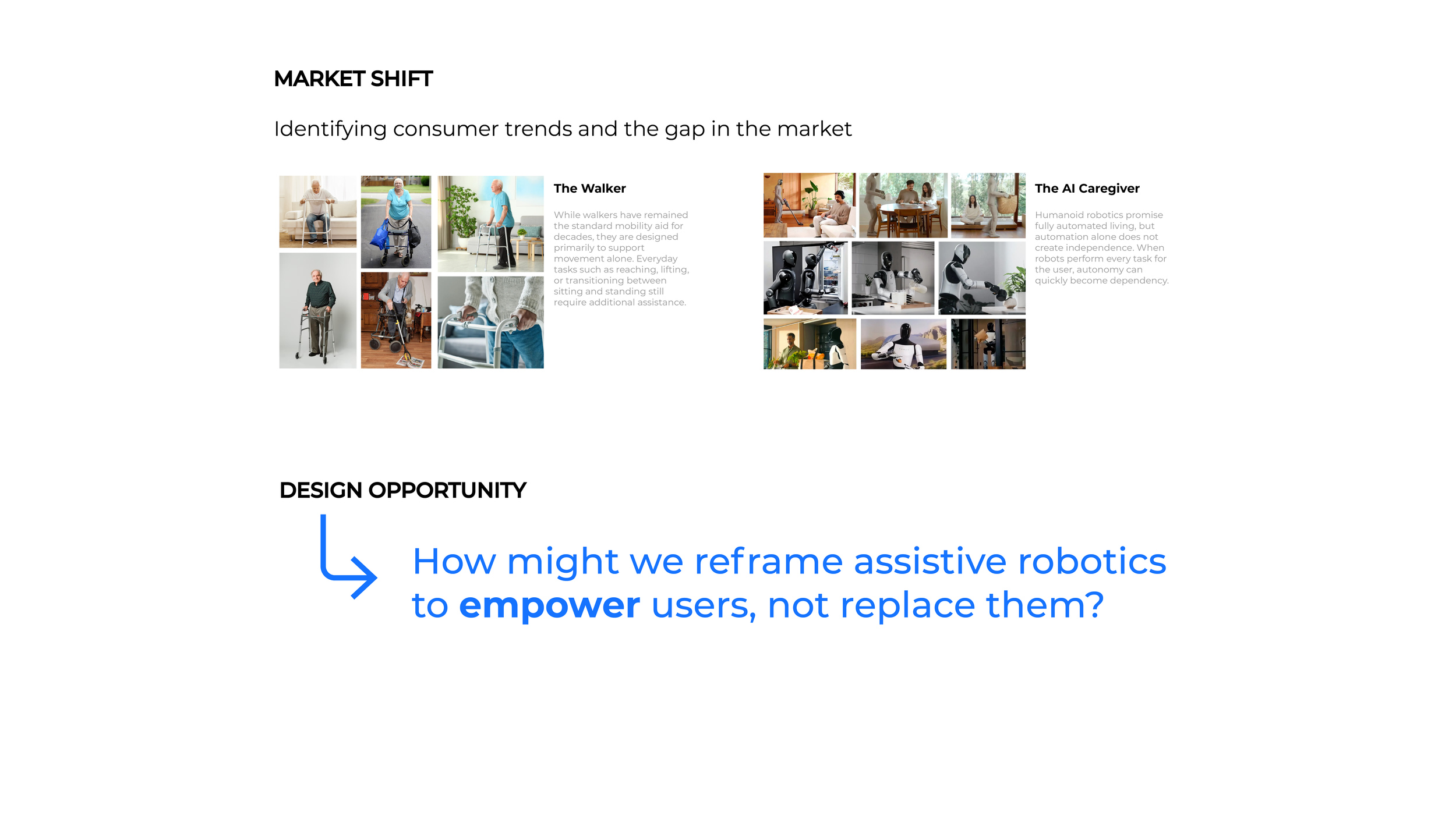
SAM shifts the role of home robotics from doing tasks for people to helping people do them themselves. By providing support without taking over, SAM promotes independence, dignity, and user control.
Intuitive Controls
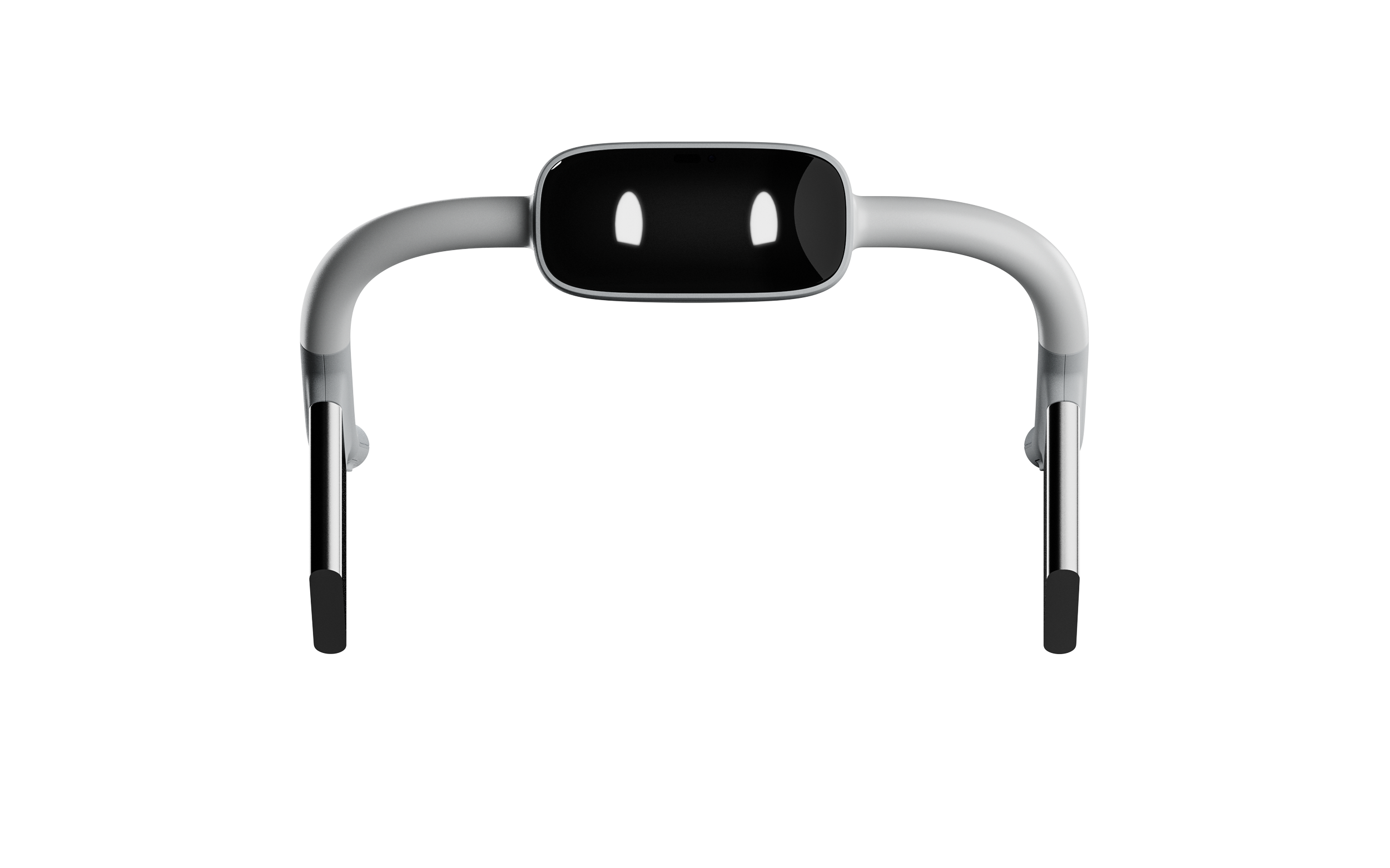
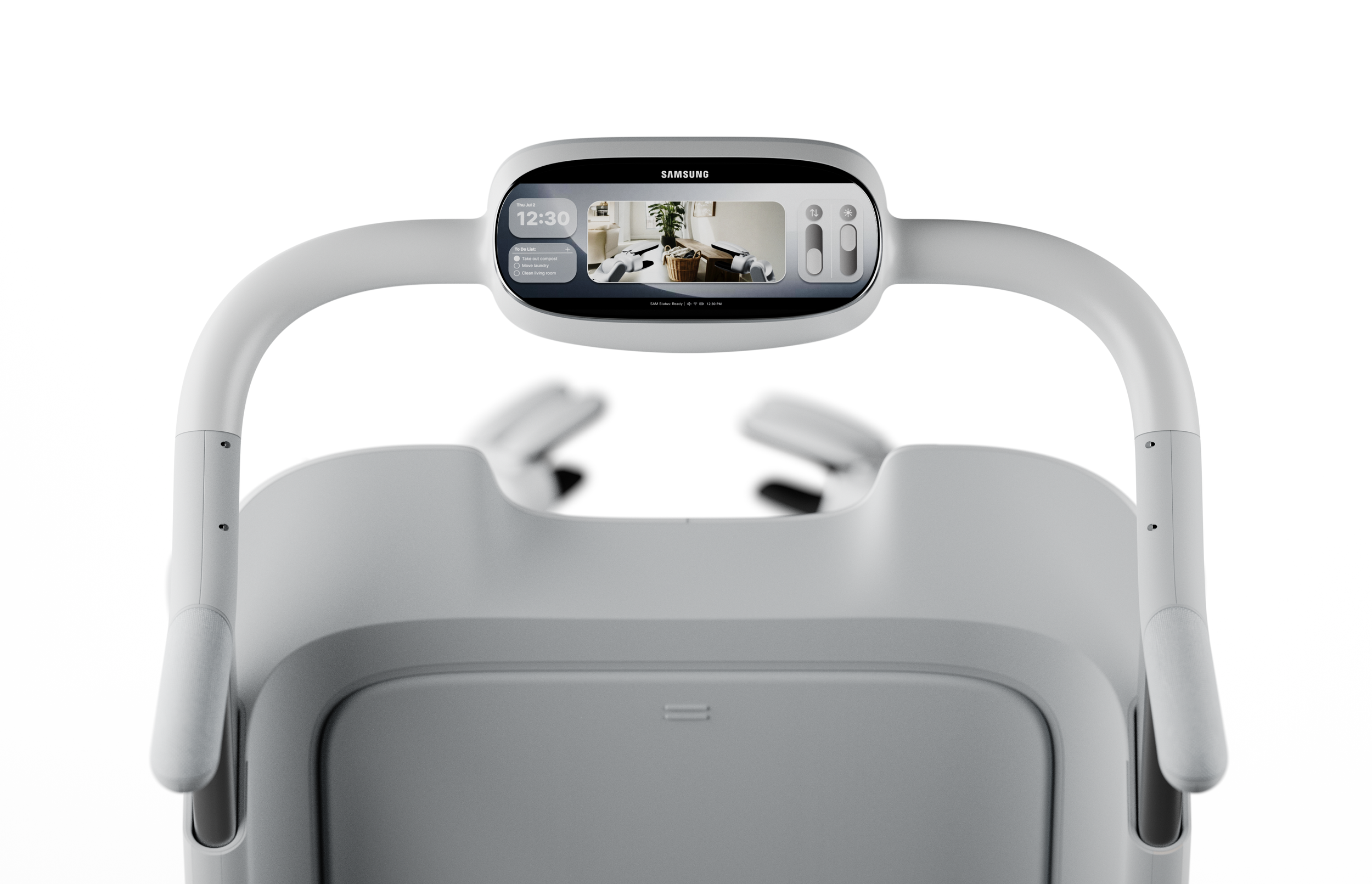
Through voice commands or the touch display, users make selections and confirmations that SAM would then carry out. SAM handles execution while the user remains in control of decision-making.
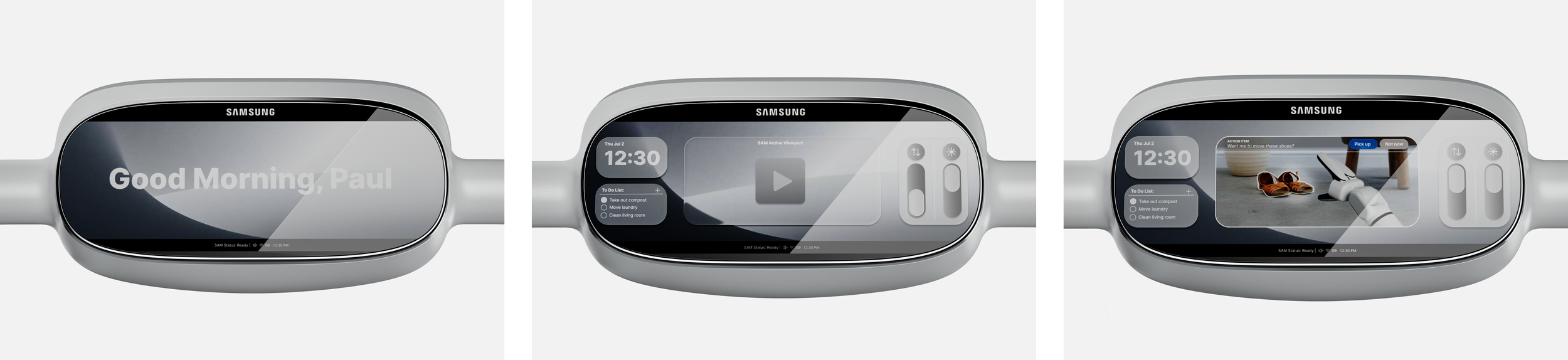
A Helping Hand
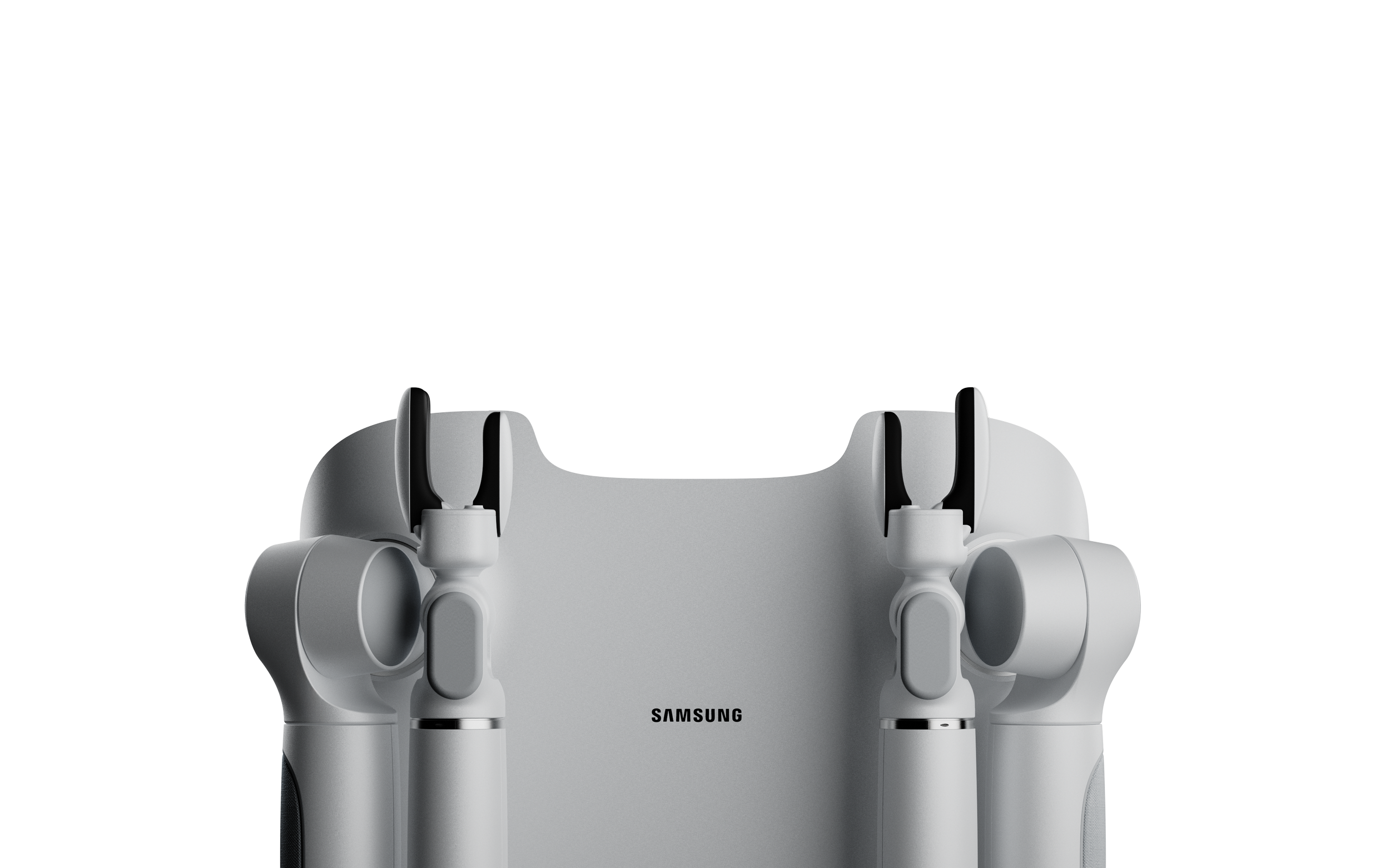
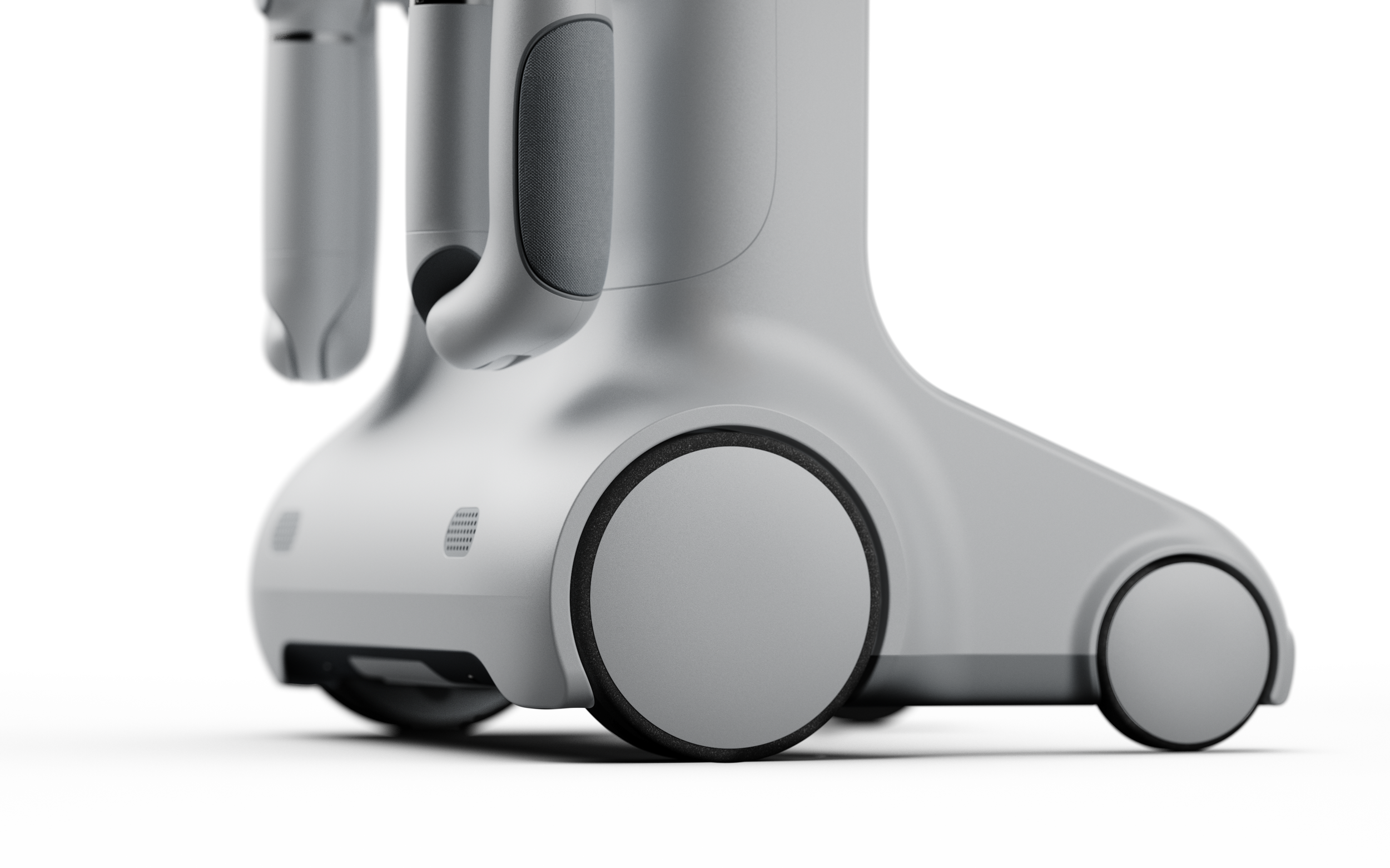
Rather than doing everything, SAM focuses on what matters most. Its arm and hand are designed to safely pick up, carry, and move everyday household items, something that would have been a major challenge before.
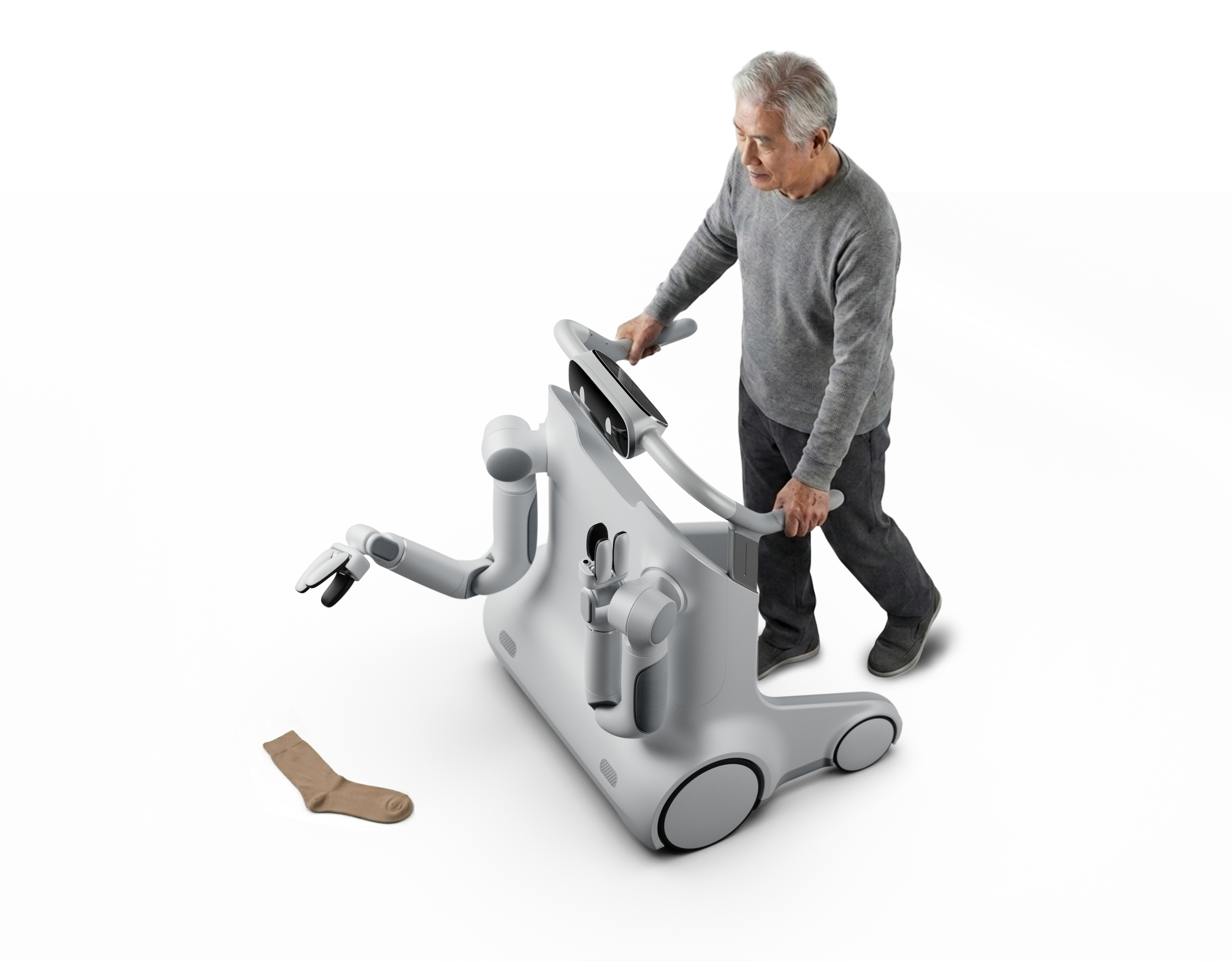
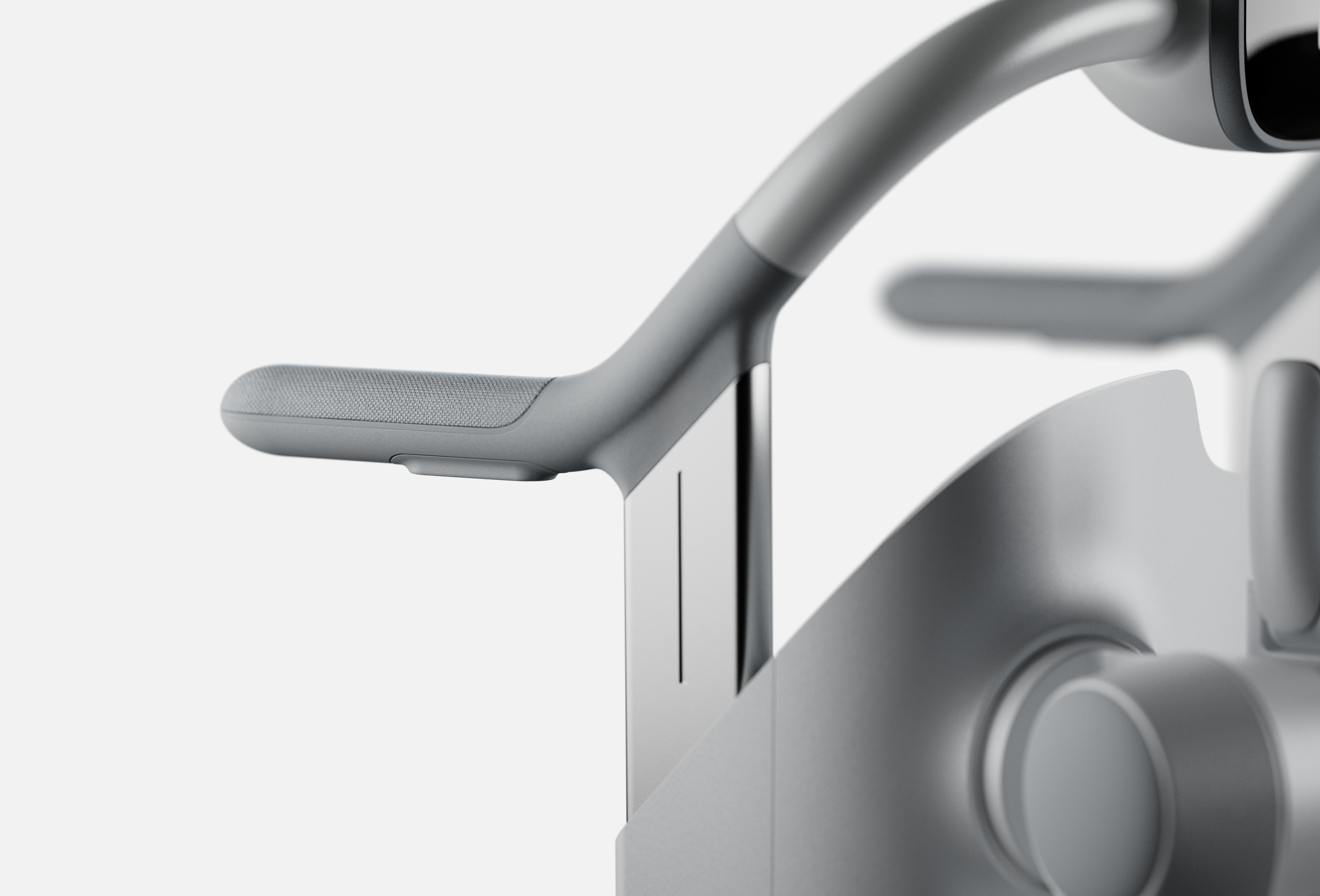
Padded Touchpoints
Every surface users interact with is thoughtfully cushioned to improve comfort, reduce pressure, and provide a confident grip throughout the day.
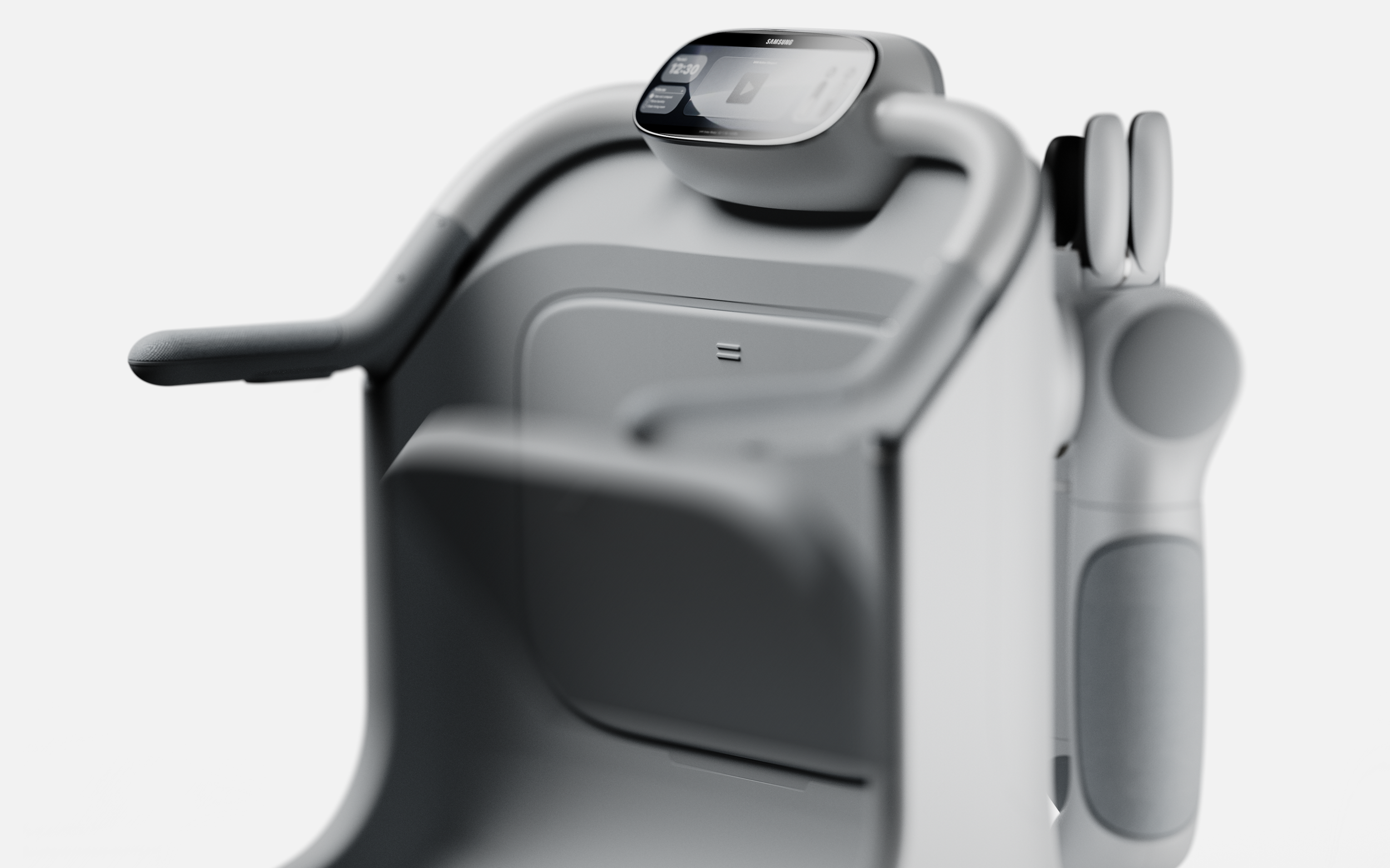
Flip-Out Seat
Rest should be available wherever it's needed. SAM's integrated seat lets users take a break while remaining engaged in everyday activities.
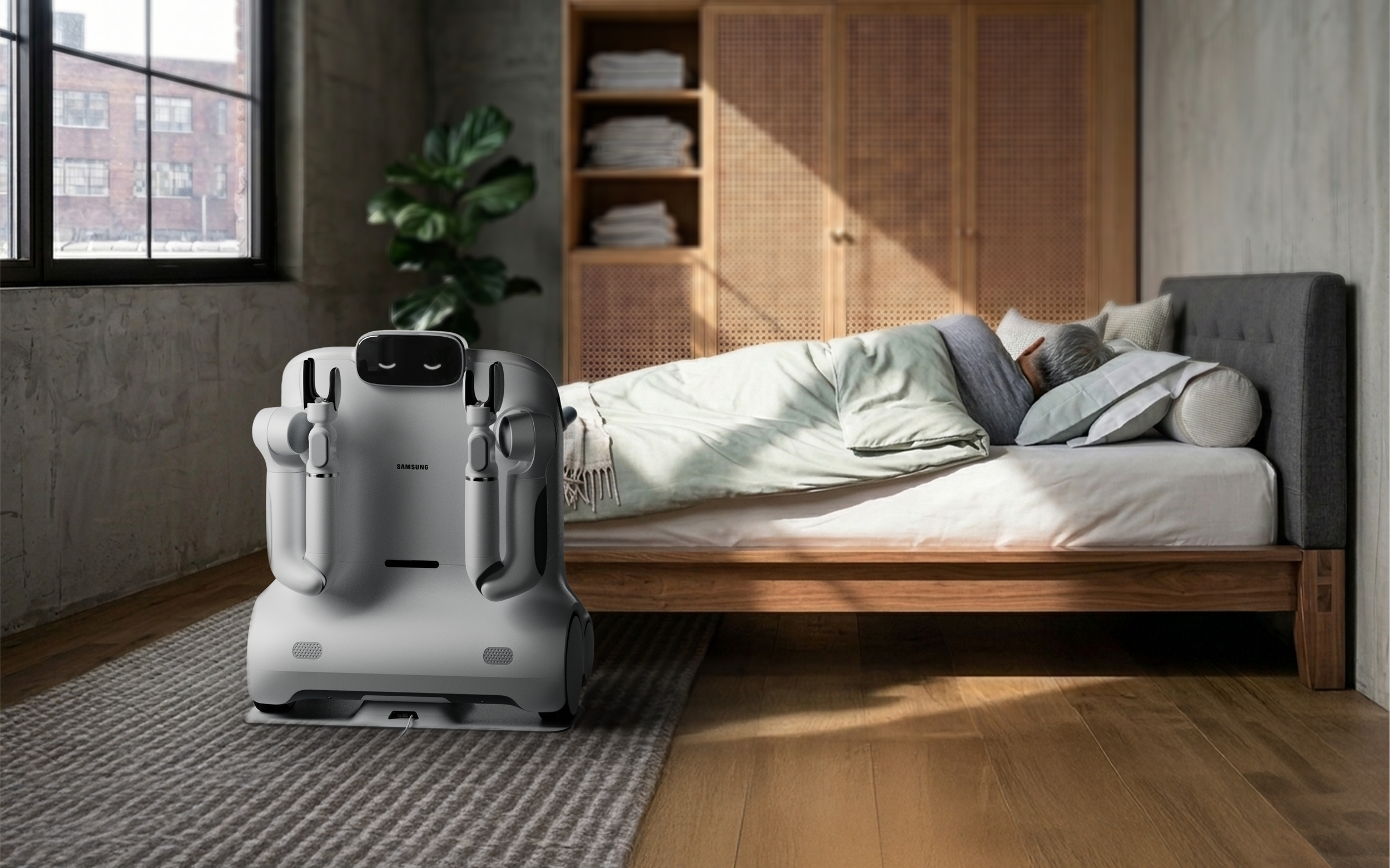
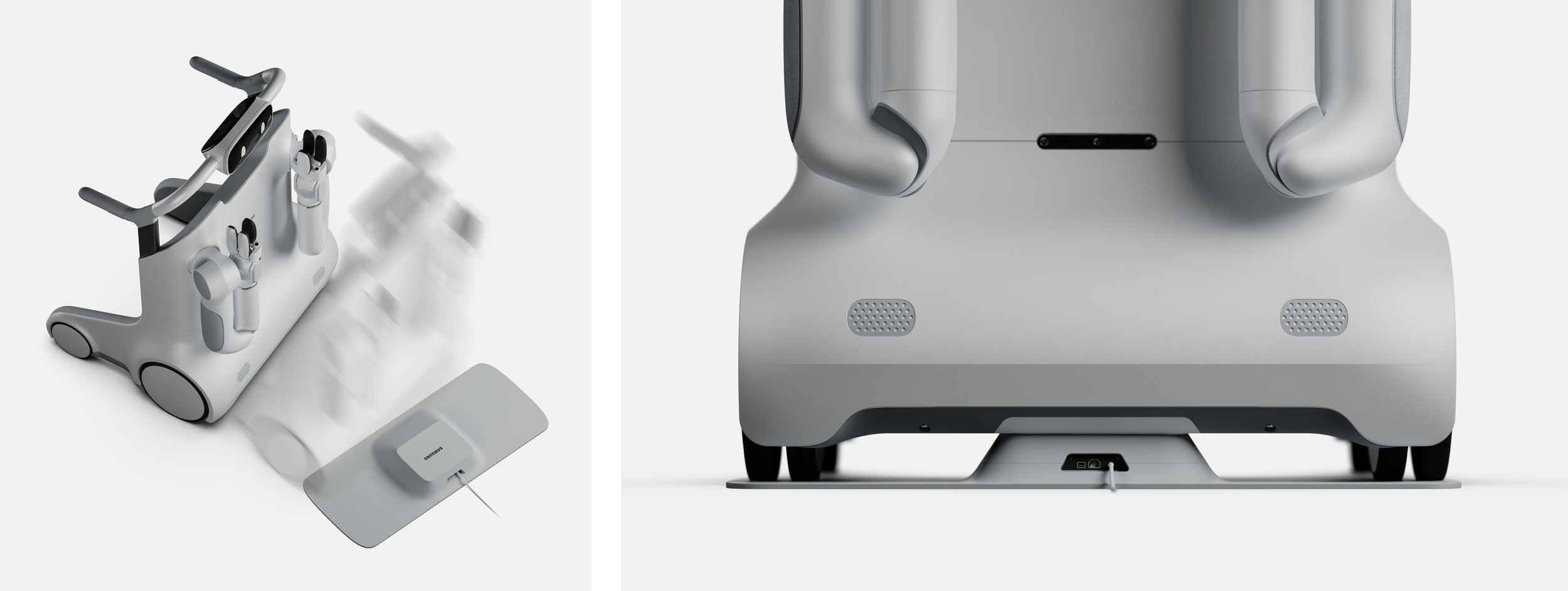
Wireless Charging
When not in use, SAM docks on its charging mat and remains conveniently by the user’s side, ready whenever needed.
Designed for Longevity
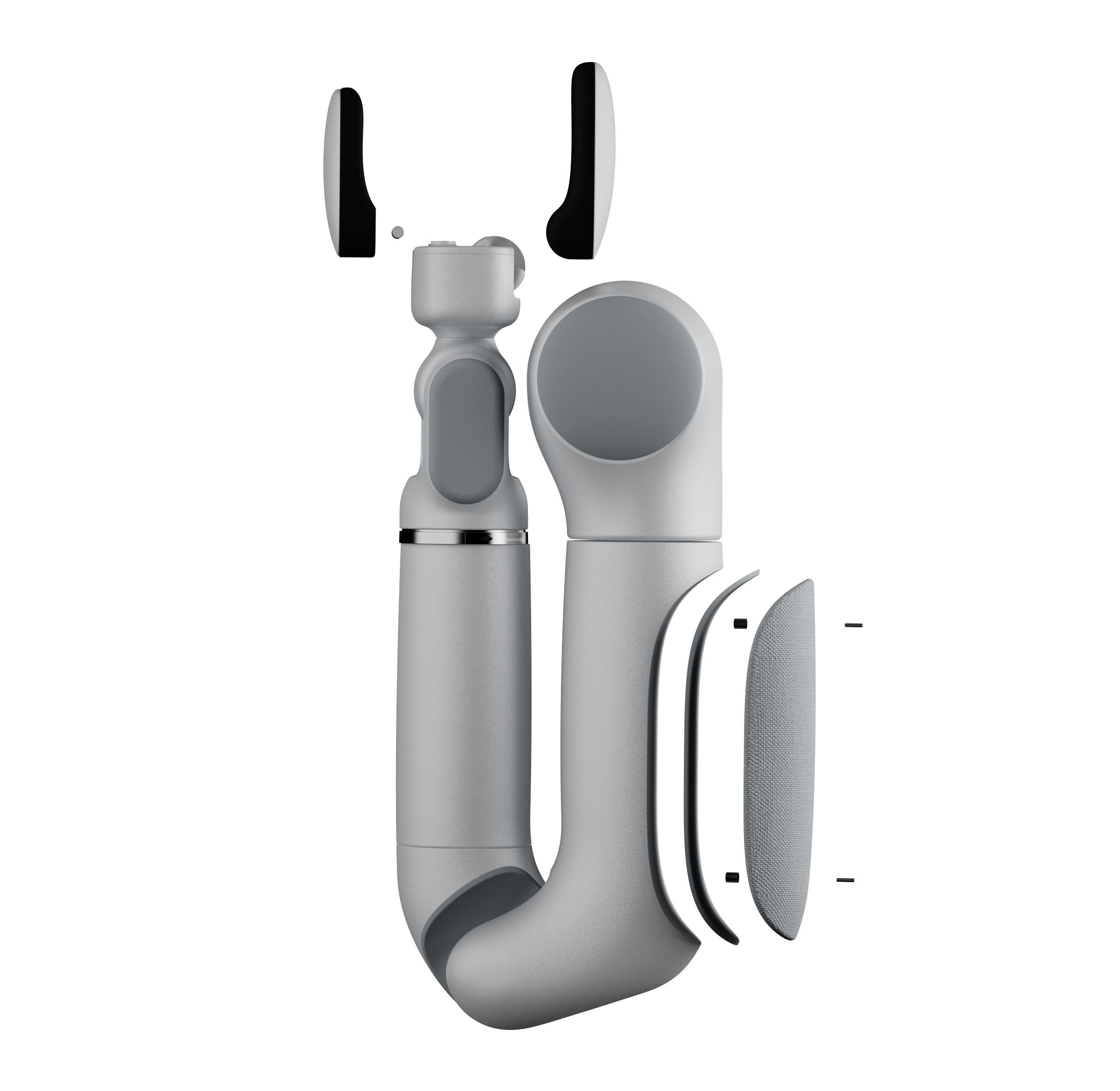
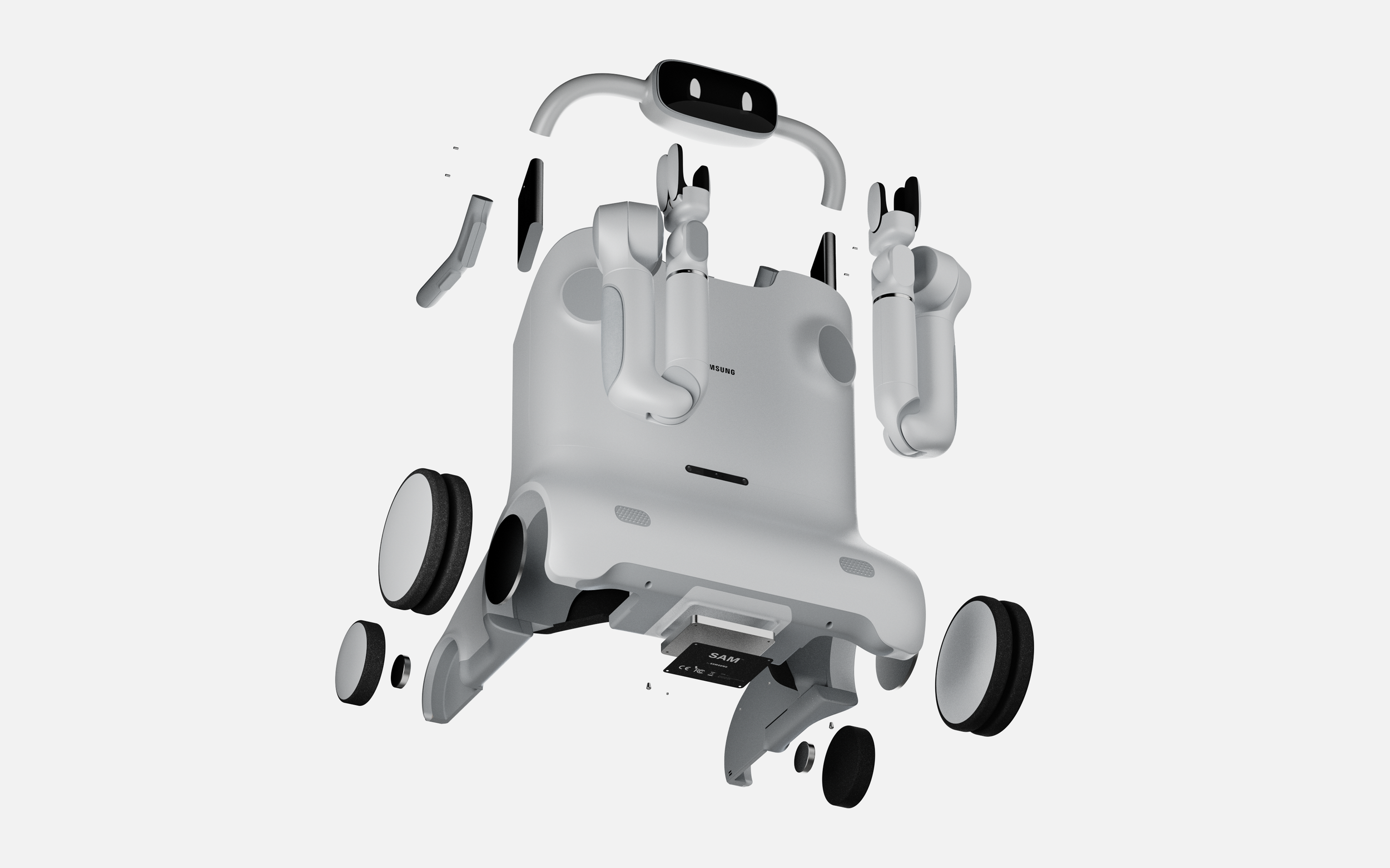
Mobility devices are often used for 5 to 15 years. Frequently worn components, including the grips, cushions, and finger pads, can be quickly replaced without servicing the entire product.
Made for You
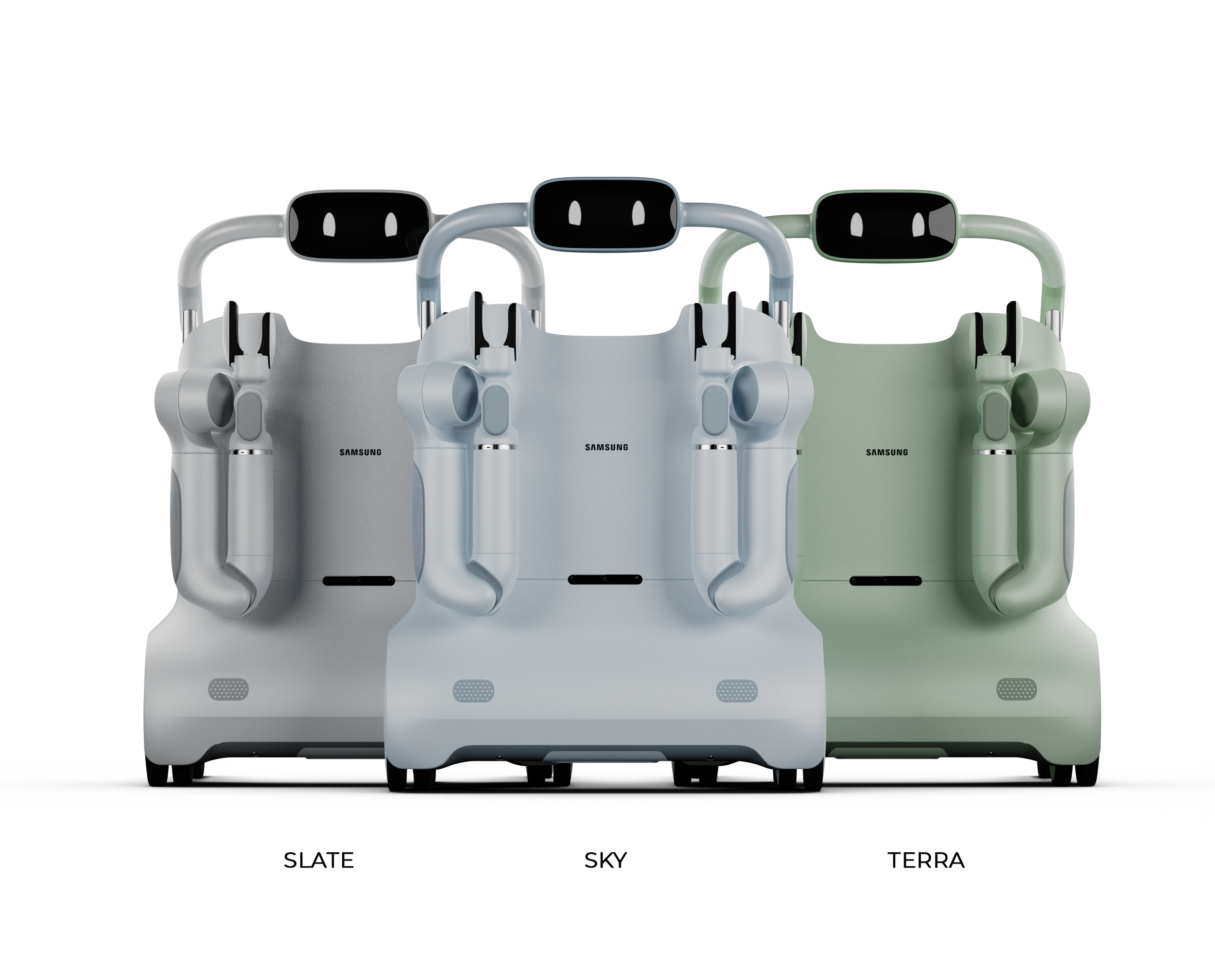
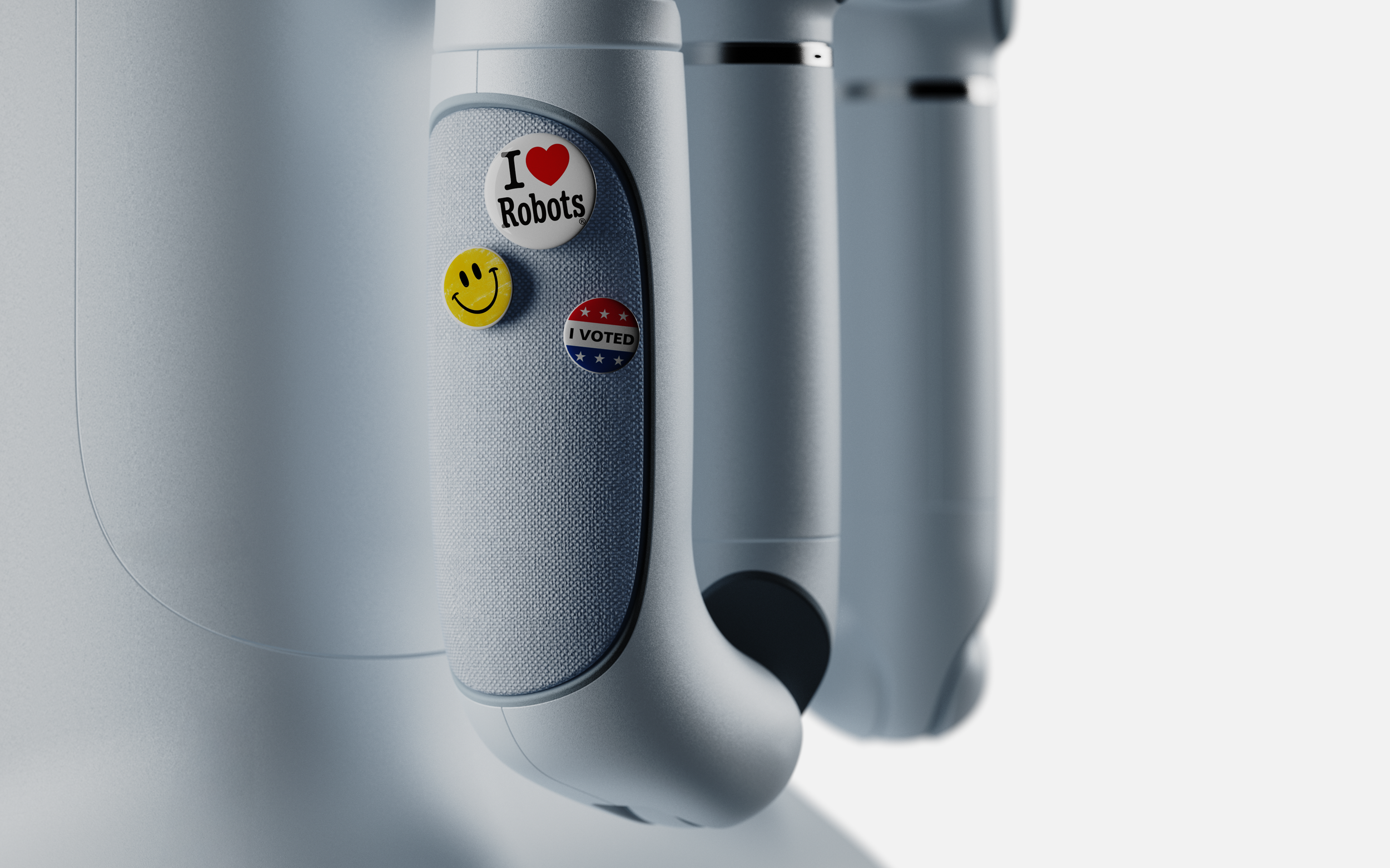
Customization extends beyond function. A variety of finishes, colors, and replaceable soft components allow SAM to adapt to individual tastes and changing preferences over time.
Beyond the Home
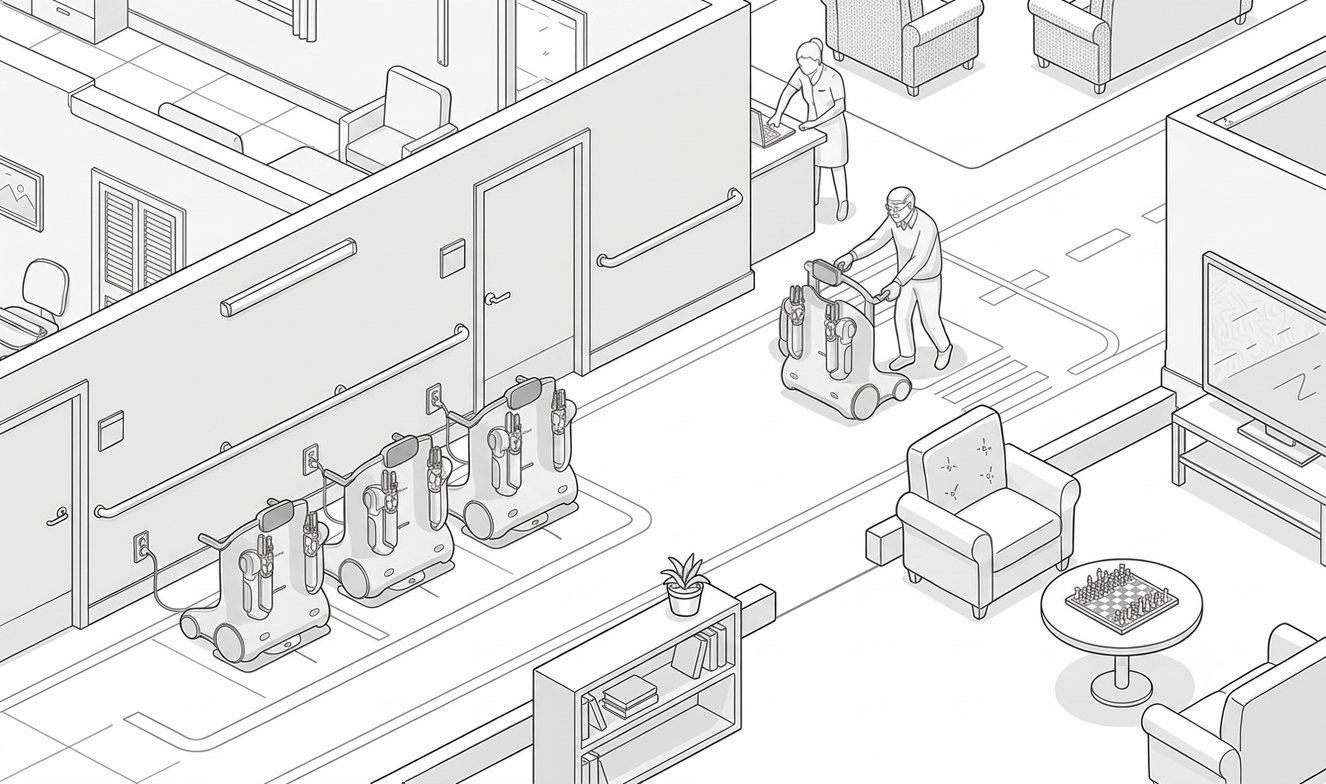
SAM can support residents and caregivers in assisted living, rehabilitation, and skilled nursing environments. Its adaptable functionality helps improve mobility, increase independence, and ease everyday caregiving.
SAM
Ultimate Mobility Companion